
Twitch Channel: CrouchingL (currently offline –
Solo Gaming)

Gamifying Life
a volleyball, gaming, and lifestyle blog by CrouchingL
“I plan on re-experiencing all of my favorite things, learning everything I can about every culture and every story, and discovering how to gamify every aspect of my life. Feel free to come along for the ride!“
– CrouchingL

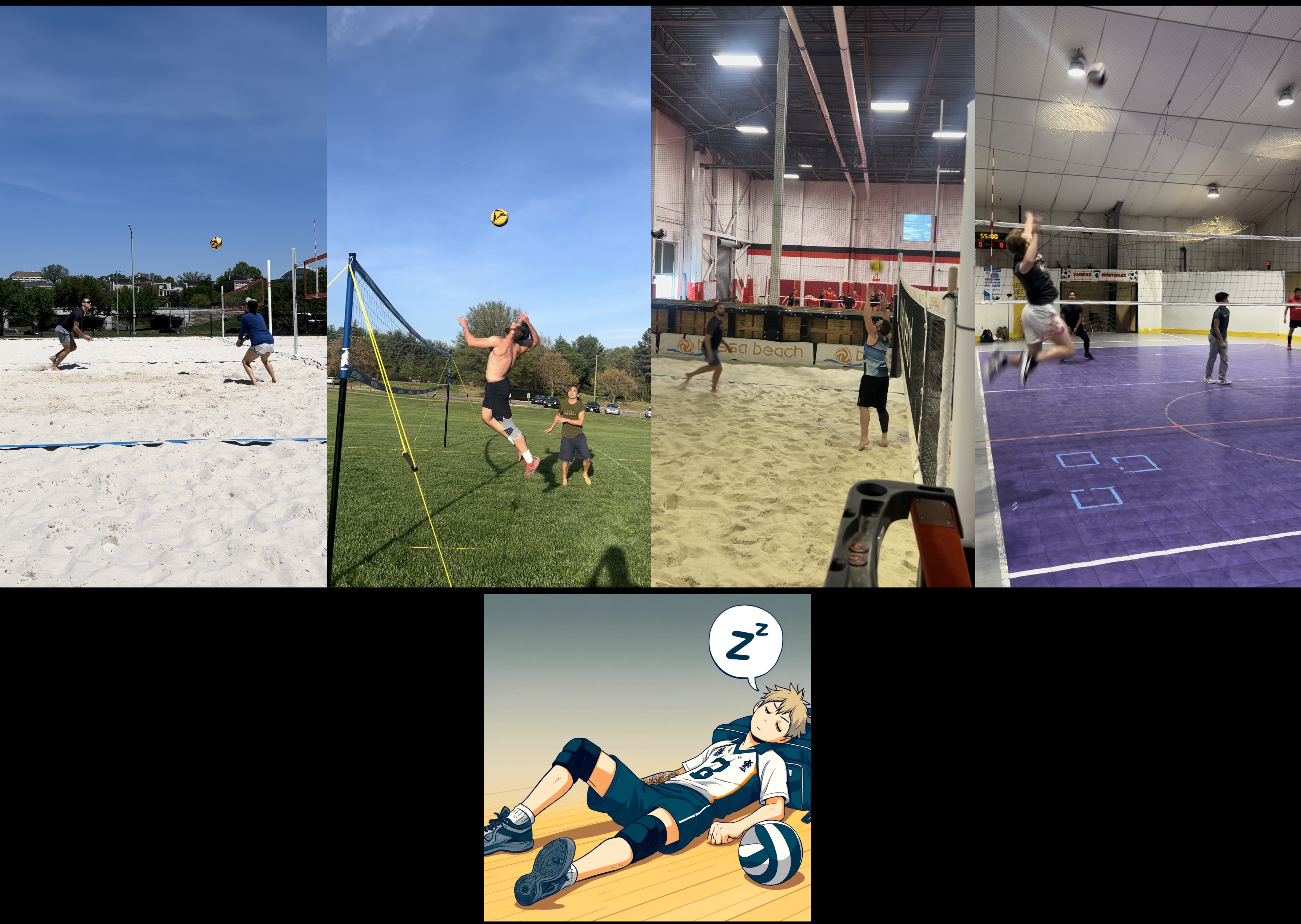
Photo of the Day (04/16/2024):
Total Site Views: 3,039
My AI Webcomics
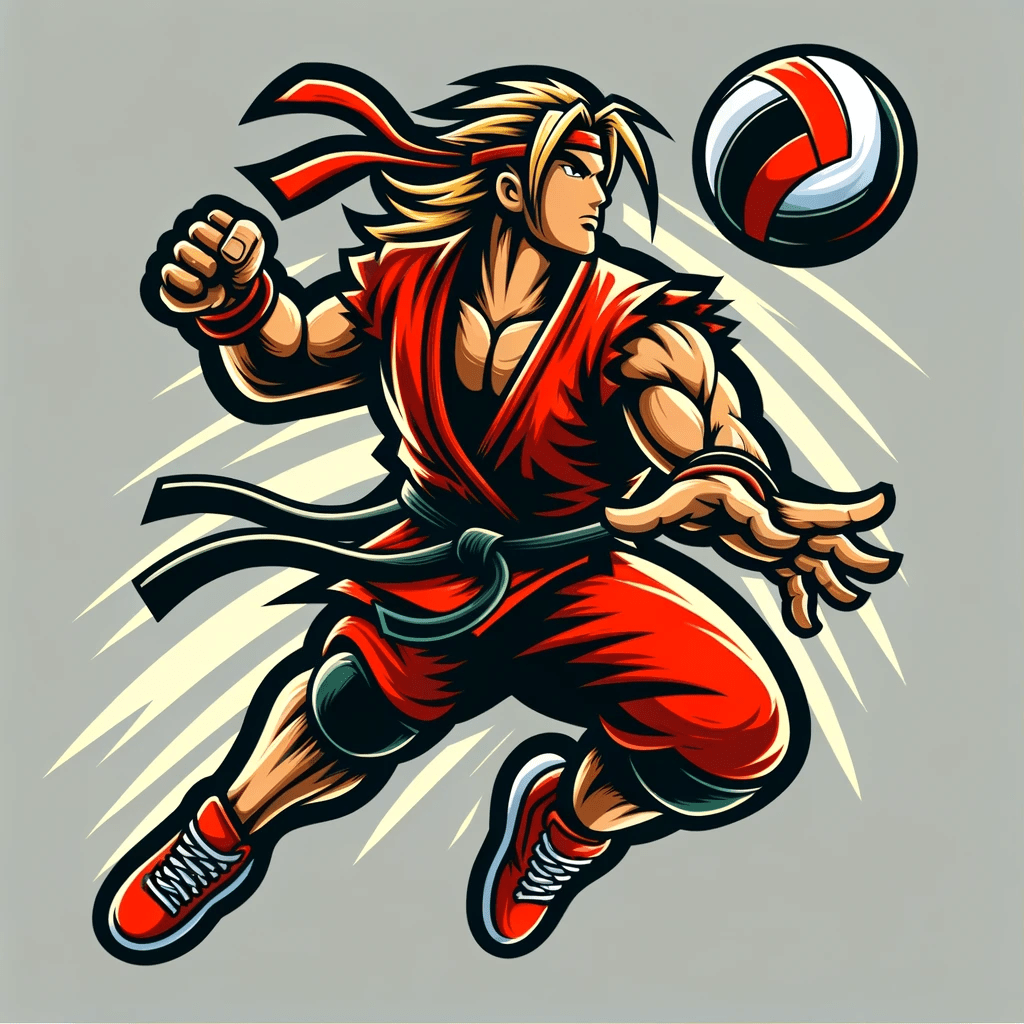
My AI T-Shirt Logos
These logos were all AI generated and created by CrouchingL!







My Blog Posts

Want to collaborate, play games together,
and/or suggest future blog topics or activities?
Contact me at
lcrouching@gmail.com!
My Book Notes
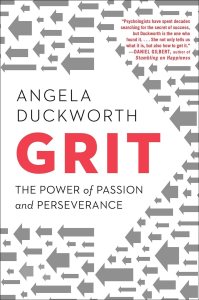
- TITLE: Grit: The Power of Passion and Perseverance
- AUTHOR: Angela Duckworth
- MY KEY TAKEAWAYS:
- Grit has two components: Passion and Perseverance.
- Passion is the ability to work toward distant objectives/goals. It is not about intensity. It is about consistency over time.
- Perseverance is the quiet determination to stick to a course once decided upon and not abandoning it just because it is difficult.
- How to improve Grit:
- Interest: Passion begins with intrinsically enjoying what you do.
- Practice: You have to have the daily discipline to try to do things better.
- Purpose: What ripens passion is the conviction that your work matters to others.
- Hope: The belief that you have the power to make things better.
- 1. Interest:
- Early interests are fragile, and if you don’t spend time playfully exploring and repeatedly exposing yourself to an interest, it will die out before it becomes a passion.
- Questions to ask to figure out what might become a passion of yours:
- What do I like to think about?
- Where does my mind wander?
- What do I really care about?
- What matters most to me?
- How do I enjoy spending my time?
- What do I find absolutely unbearable?
- 2. Practice:
- It takes 10,000 hours of Deliberate Practice to become an expert at something. (That’s 3 hours a day for almost 10 years.)
- What is Deliberate Practice?
- Clearly defined stretch goals.
- Full concentration and effort.
- Immediate and informative feedback.
- Repetition with reflection and refinement.
- 3. Purpose:
- Grittier people are dramatically more motivated than others to seek a meaningful, other-centered life.
- Reflect on how the work you’re already doing can make a positive contribution to society.
- Think about how, in small but meaningful ways, you can change your current work to enhance its connection to your core values.
- Find inspiration in a purposeful role model.
- 4. Hope:
- The type of hope that gritty people have rests on the expectation that their own efforts can improve their future. I “resolve to make tomorrow better” rather than I “have a feeling tomorrow” will be better.
- You should have a “Growth Mindset.” Believe, deep down, that people, including yourself, really can change.
- If you experience adversity that you overcome on your own, you develop a different way of dealing with adversity later on. On the other hand, achievement without adversity results in you becoming a “Fragile Perfect.” Your first failure will devastate you.
- Parenting for Grit:
- You have to be both supportive AND demanding.
- Supportive:
- I can count on my parents to help me out if I have a problem.
- My parents spend time just talking to me.
- My parents and I do things that are fun together.
- My parents believe I have a right to my own point of view.
- My parents respect my privacy.
- My parents give me a lot of freedom.
- Demanding:
- My parents really expect me to follow family rules.
- My parents point out ways I could do better.
- My parents expect me to do my best even when it’s hard.
- People like to believe there are geniuses out there who have natural talent and do not need to practice. We convince ourselves of this so we can let ourselves off the hook for not being good at something. But greatness comes more from effort than ability.
- Grit has two components: Passion and Perseverance.
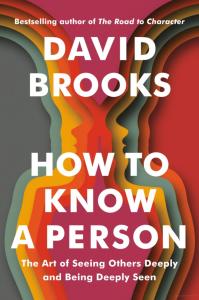
- TITLE: How to Know a Person: The Art of Seeing Others Deeply and Being Deeply Seen
- AUTHOR: David Brooks
- MY KEY TAKEAWAYS:
- Traits for Memorable Conversationalists
- Ideal:
- Illuminators:
- People who excel in truly listening and asking excellent questions.
- Everyone around them feels visible and valued.
- Illuminators:
- Not Ideal:
- Attention Seekers:
- People who always offer witty insights on various topics
- People who tell jokes that make everyone laugh
- Attention Seekers:
- Ideal:
- “The greatest art is guiding others to answer, not serving it on a silver platter.”
- How to be an Illuminator:
- Genuinely Respect Others: everyone is better than us in some aspect.
- Be Curious
- Focus on the Viewpoint, Not the Situation: a listener needs to be patient and try to figure out what makes an event crucial to the speaker, which might have very little to do with what actually happened.
- “We do not see things as they are, we see things as we are.” – Anais Nin
- How to Improve Empathy:
- Observe gestures and intonations and mirror them.
- Read memoirs and stories with complex characters.
- Practice deducing what a speaker’s current unstated Primary Life Motivator is:
- Imperial: Motivated by showing what one is capable of and impressing others.
- Interpersonal: Motivated by finding one’s tribe and fitting into it. Describes themselves though their relationships with others.
- Career: Motivated by mastering a specific field.
- Generative: Motivated by guiding others and helping the world.
- Communication Don’ts:
- Don’t try to formulate a response while a person is speaking. Focus on their message fully and pause and respond afterwards.
- Don’t be passive. Instead, show signs of listening such as nodding, leaning forward, and commenting.
- Don’t always try to share similar experiences. It may seem like supporting a dialog but it is often a way to shift attention to ourselves.
- Traits for Memorable Conversationalists
- Asking the Right Questions:
- Choose a humble, not a superior stance.
- Ask open-ended but specific questions.
- Handling Emotionally Charged Conversations:
- Bring Back Awareness: Pause, mentally distance ourselves from the argument, and ask “What has brought us to this heated discussion?”
- Clarify Intentions
- Find a Point of Agreement
- Re-frame Disagreement as a Chance for Growth
My Volleyball Highlights
See More Here (coming soon)
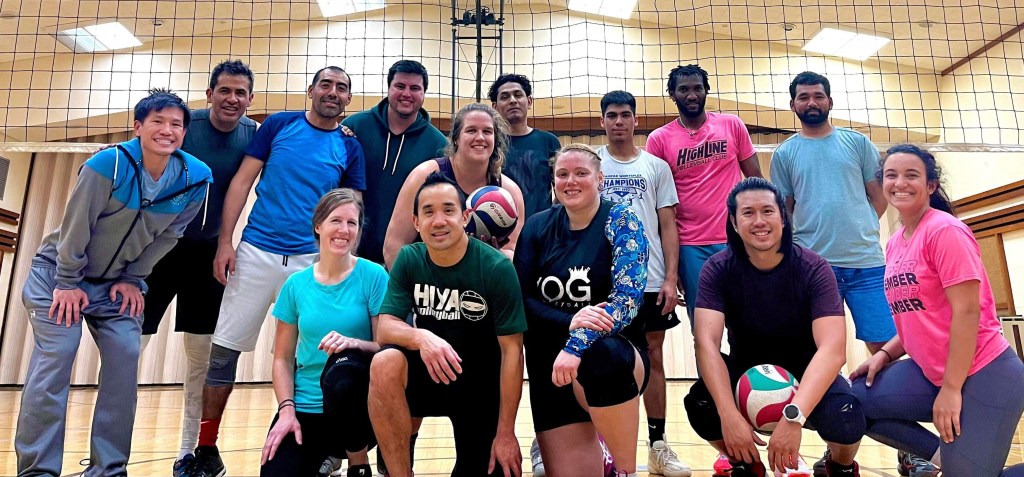
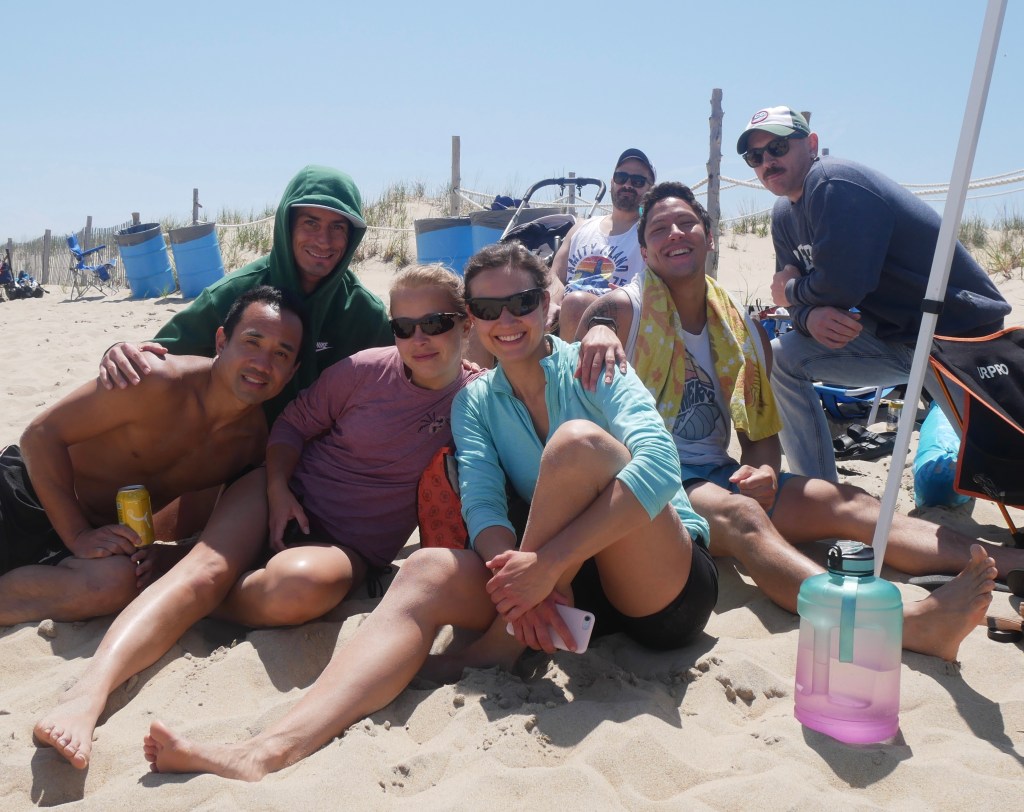
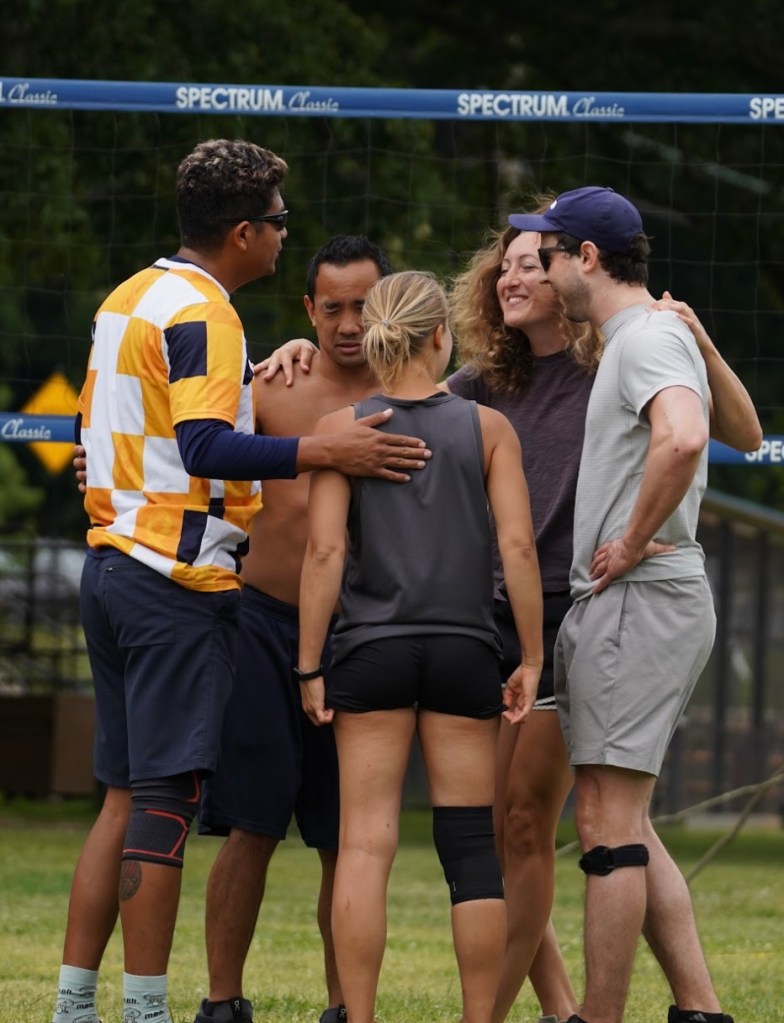
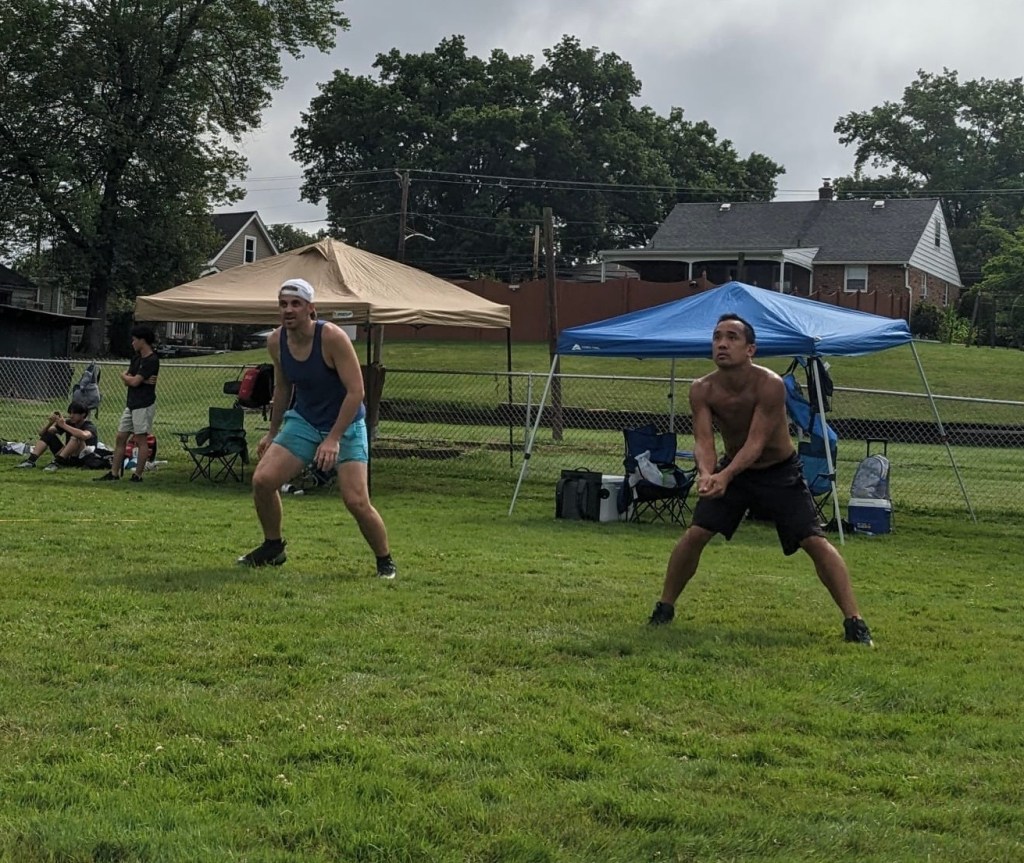
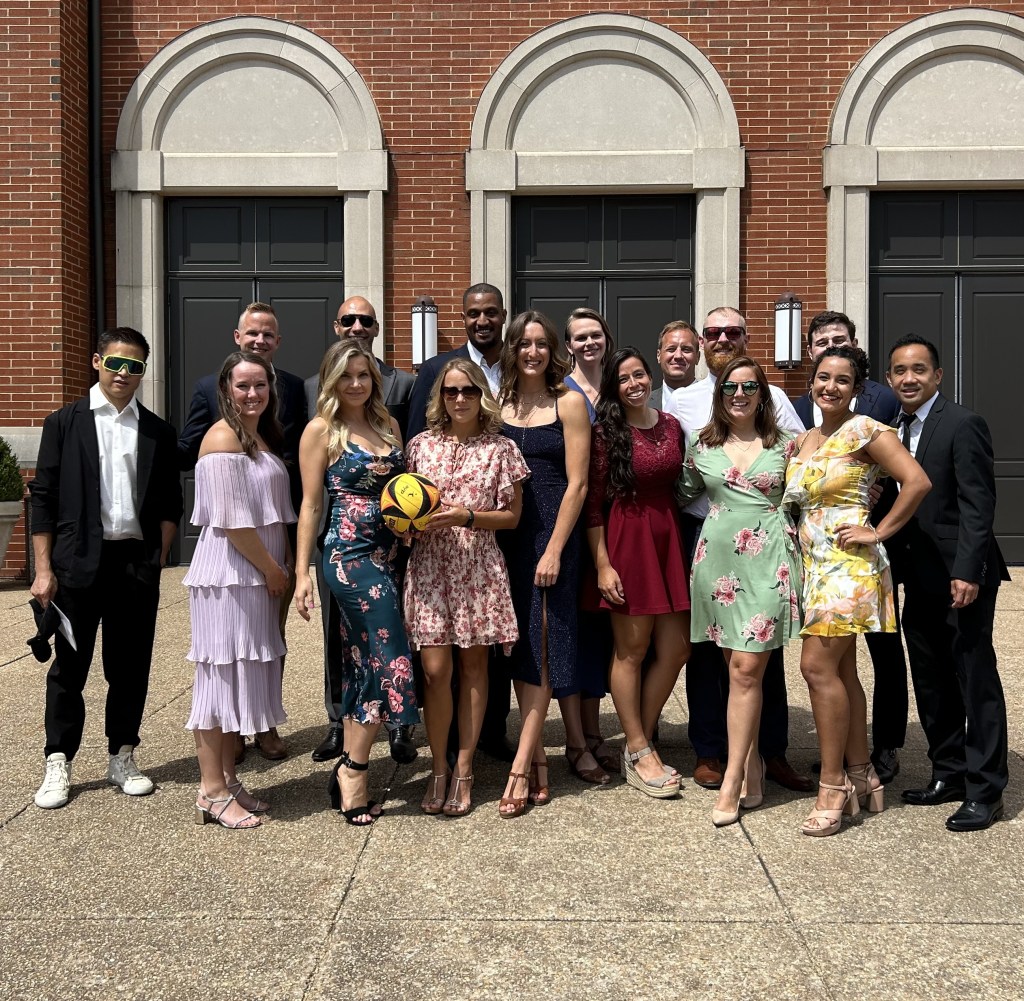
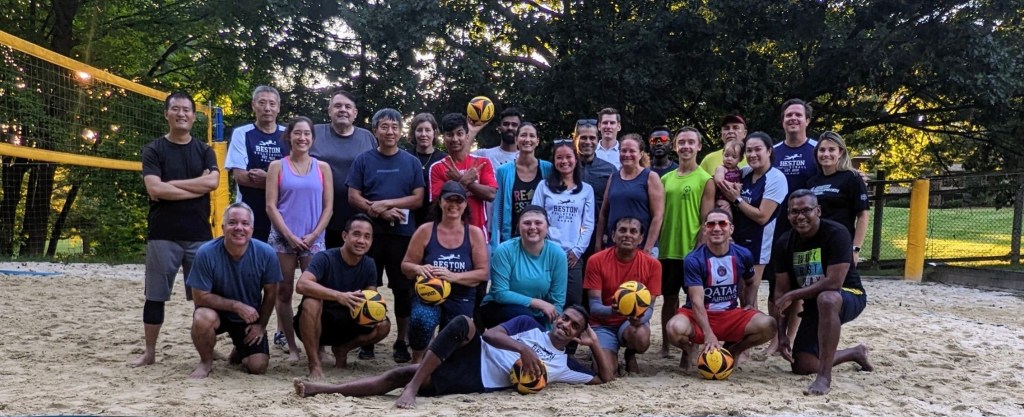
My Volleyball Photos

My Gaming Streams
Twitch Channel: CrouchingL (currently offline)
(But full disclosure: usually I make it look VERY difficult, like nearly impossible)
My Music Compositions
My music influences primarily come from video games and a fusion of training I had in Classical Piano and Chinese Classical Music. I composed all of these songs and played them directly from memory so I never wrote down sheet music notes lol. These old video clips are literally the only way the songs are currently being preserved…
 Gamifying Life